
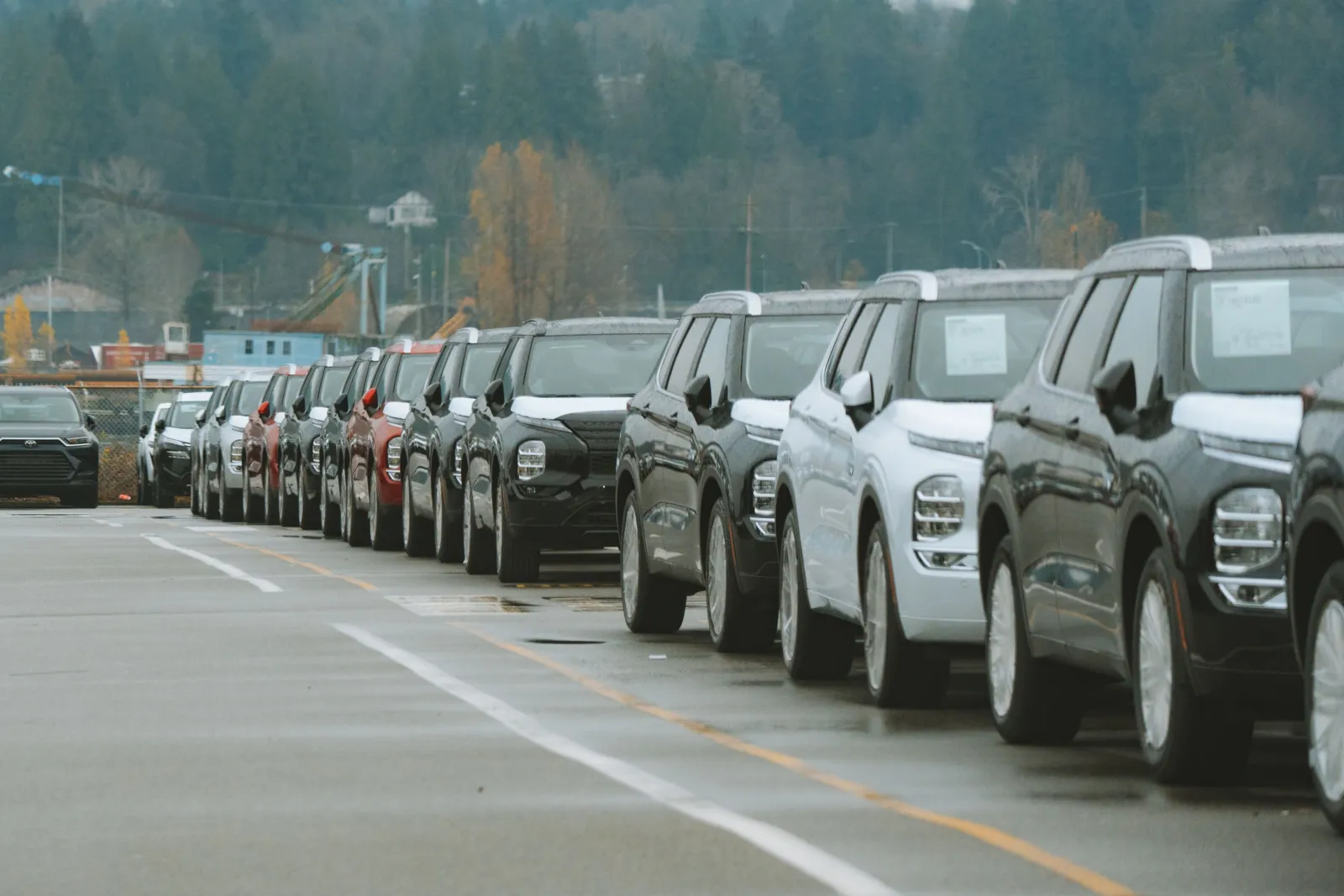
Advertisement
Should I buy a car now or wait? In 2026, tariffs have already done most of what they were ever going to do to sticker prices. The increases sit in the numbers you see on the lot, and no serious forecaster expects them to come back out. What is still open is your half of the question: how long the car in your driveway can keep going, and what a loan costs you while you decide.
The short version
Buy now if your current car is likely to need more than about $600 of work in the next six months. Wait if it will not. On a $50,089 average new vehicle, six months of interest at a 7.0% APR runs about $1,500, while six months of price drift plus trade-in decay runs about $1,176. The gap is your repair budget.
Should I buy a car now or wait? The 2026 tariff break-even test
Forget forecasting the market. Price the two things that are actually different between buying in September and buying in March.
Buying now starts the interest clock. Take the Edmunds Q2 2026 averages: $44,156 financed at 7.0% APR, on a 72-month term, which sits in the middle of what people are signing. That is a payment of $752.82. The first month of it is $257.58 of interest, and by month six the interest portion has only fallen to $242.96. Six months in you have handed the lender $1,502 and cut the balance by $3,015.
Waiting costs you too. Transaction prices are drifting up at about 1.9% a year, so the same car costs roughly $476 more in March. The trade-in you keep driving loses value at maybe 10% a year, which on a $14,000 car is another $700. Add what the newer car costs in insurance and plates, and the ledger looks like this.
| Six-month window on a $50,089 car | Buy now | Wait until March |
|---|---|---|
| Loan interest on $44,156 at 7.0% over 72 months | $1,502 | $0 |
| Extra insurance and registration on the newer car, $45 a month | $270 | $0 |
| Price drift on the car you want, at the current 1.9% a year | $0 | $476 |
| Value your $14,000 trade-in sheds at 10% a year | $0 | $700 |
| Total | $1,772 | $1,176 |
| Break-even repair budget on your current car | $596 | |
That is the rule. If the shop has already told you the transmission is on borrowed time, or you are looking at a timing chain and two tyres, buying now is cheaper. If your car passed inspection last month and your only complaint is boredom, waiting is worth roughly $600. Swap in your own rate, balance and trade value. The shape of the answer holds.
One adjustment matters. If the car has final assembly in the United States and your income is under the phase-out, that interest is deductible, cutting the real cost of the $1,502 to around $1,172 at a 22% marginal rate. Your break-even repair budget falls to about $266, which tips the test toward buying now. Here is how the auto loan interest deduction works.
How much have tariffs raised car prices?
Kelley Blue Book put a number on it in a March 2026 analysis by Robert Duffer: about $30 billion in extra industry cost in the first full year of the Section 232 tariffs, and average suggested retail prices up 10.4%. Consumers absorbed 5.9% of that over a 37-week window. Dealers ate the other 4.5% through discounting, which is why sticker inflation and transaction inflation are two different numbers.
Per vehicle, Cox Automotive’s estimate splits by where the car is built. Imports carry $5,000 to $8,900 of tariff cost. Cars assembled in the United States carry $1,600 to $2,000, because the 50% steel and aluminium tariffs still reach them through the parts bin.
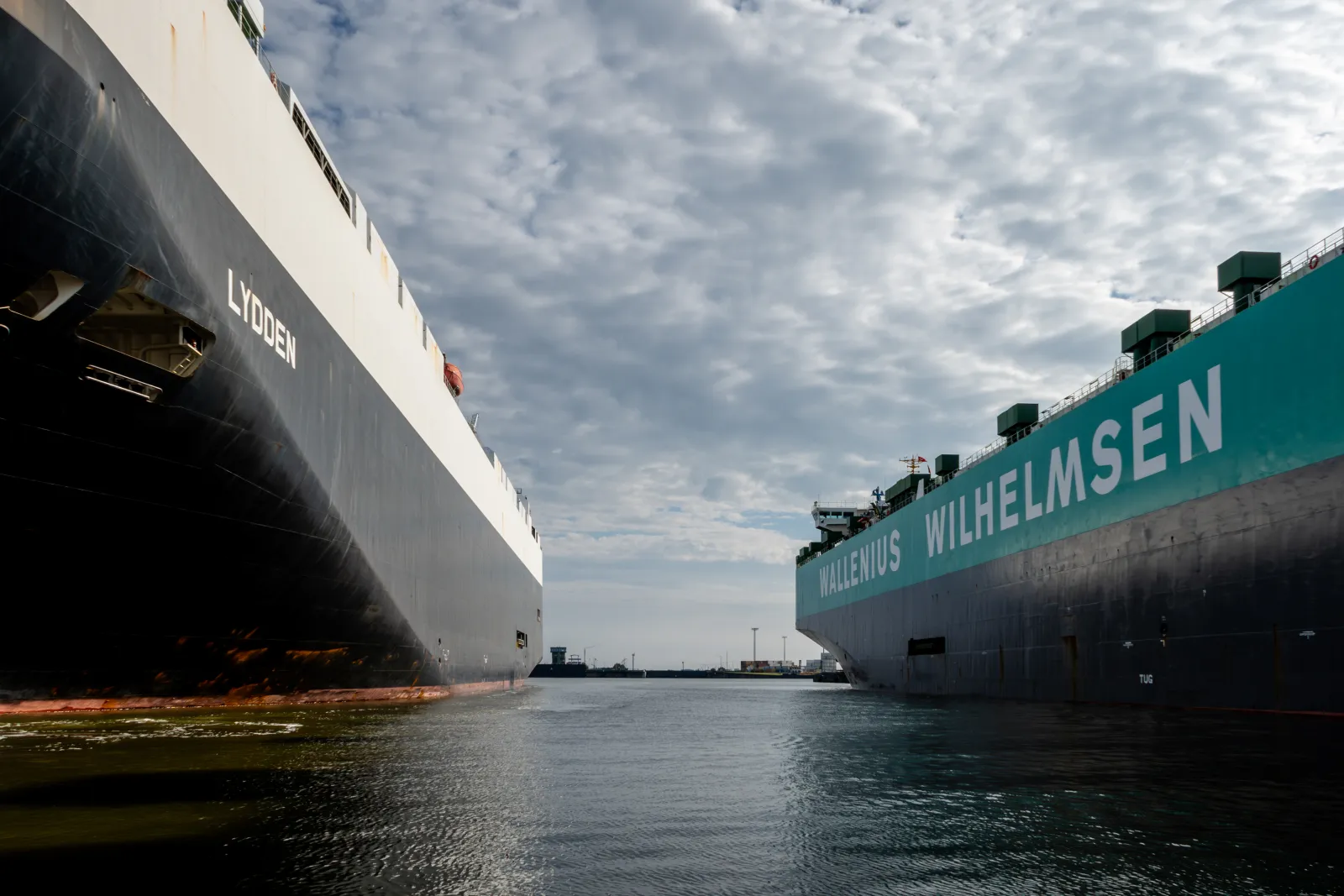
Some of the cost moved somewhere you might not look. Cars.com found in a March 2026 survey by Lawrence Hodge that destination fees rose an average of $144 for the 2026 model year. A 2026 Ford F-150 XL now carries a $2,795 destination charge, $200 more than last year and $1,100 more than in 2020. Mitsubishi said plainly that it raised its fees because its cars come from Japan. Read up on whether a destination fee is negotiable before you sit down in the box.
What is the average new car price in 2026?
The average transaction price for a new vehicle was $50,089 in August 2026, according to the Kelley Blue Book report published on 10 September 2026. Up 0.5% on July, up 1.9% on August 2025, and the first month of 2026 above $50,000. Average MSRP was $51,852. Incentives ran 6.5% of ATP, about $3,256 a car.
Erin Keating, executive analyst at Cox Automotive, framed it this way: “New-vehicle price inflation is real, but automotive price increases have been moderate in recent years and remain below the long-term average of roughly 3%.”
Segment matters more than the headline. A full-size pickup averaged $67,446 in August, up 2.1% year on year. A compact SUV averaged $37,722, a compact car $27,997. If you are shopping the bottom of the market, the average new car price is not your price, and the dollar cost of waiting scales down with it. The financing side is where the strain shows: Edmunds reported on 1 July 2026 that the average new-vehicle payment hit a record $777 and that 23.9% of buyers took 84-month terms or longer.
Which cars are least affected by tariffs?
The ones built here, with parts sourced here. Under Section 232 as it stands on 16 September 2026, a USMCA-compliant vehicle is tariffed only on its non-US content, while a finished import from Japan, South Korea or the EU carries 15% and a UK-built car carries 10%.
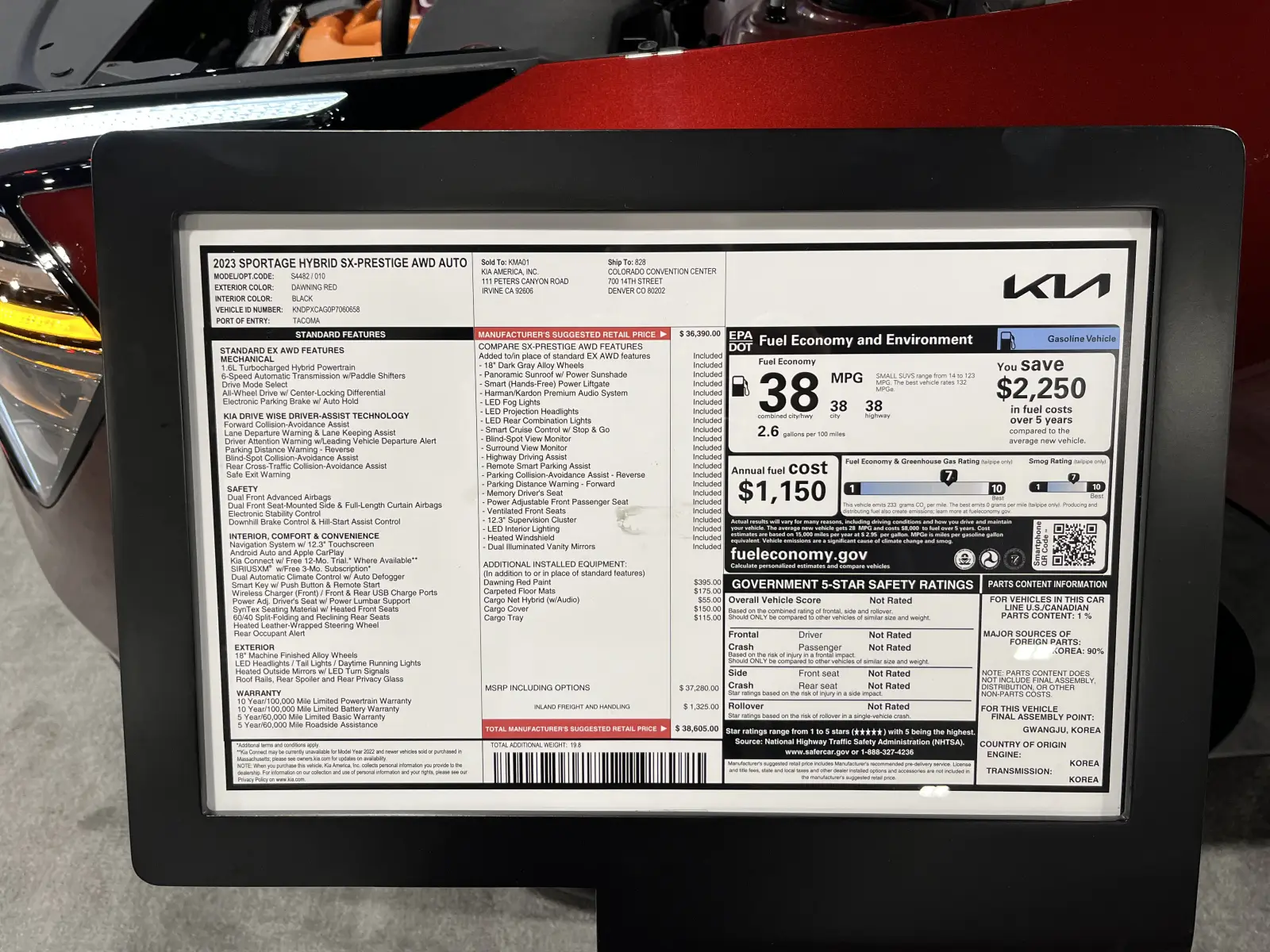
The window sticker tells you everything. Bottom right, under the safety ratings, sits a block giving the final assembly point, the US and Canadian parts content as a percentage, and the two largest source countries for parts. On the Sportage above it reads Gwangju, Korea and 1%. On a Honda Odyssey it reads Lincoln, Alabama. That block is the tariff exposure of the car in front of you, printed by law, and nobody in the showroom will point at it.
| Where it is built | Tariff treatment, 16 September 2026 | Estimated tariff cost per vehicle |
|---|---|---|
| US assembly, high US and Canadian content | 25% applies only to non-US content; steel and aluminium tariffs still feed in | $1,600 to $2,000 |
| Mexico or Canada, USMCA compliant | 25% on the non-US content | Between the two |
| Japan, South Korea, EU | 15% total | $5,000 to $8,900 |
| United Kingdom | 10% total | $5,000 to $8,900 |
The 2026 Cars.com American-Made Index, published 23 June 2026, ranks the Tesla Model 3 first and the Model Y second, then the Jeep Gladiator, Jeep Grand Cherokee, Honda Ridgeline, Honda Odyssey and Lexus TX 350. Toyota has more vehicles on the 86-car list than any other brand. The badge tells you very little. The plant tells you a lot, and it also decides whether your loan interest is deductible.
What is knowable about 2027, and what is not
Knowable: the Supreme Court struck down the IEEPA tariffs on 20 February 2026 and did nothing to the Section 232 auto tariffs, which sit on separate legal footing and remain in force. Anyone promising a court case will hand back $3,000 on your next car is describing different tariffs.
Also knowable: 2027 model year cars were only 5.6% of available inventory in July, well behind the usual pace. Automakers are metering supply, and metered supply does not produce discounts. Used values are close to flat, with the Manheim index at 208.2 in August, up 0.4% year on year. If you are weighing the other side of the lot, here is what used values have actually done this year.
Not knowable: what a new administration, a trade deal or a recession does to any of it. Prices could fall in 2027. They could also rise 2% again. I would not bet six months of interest payments on either.
FAQ
Will car prices go down in 2027?
Nobody knows, and be sceptical of anyone who says otherwise. What is visible now points to flat or slightly higher: Section 232 tariffs survived the February 2026 Supreme Court ruling that killed the IEEPA tariffs, 2027 model year inventory is running behind at 5.6% of stock in July, and incentives have been shrinking. Plan for 2% a year, not a correction.
Does waiting for the next model year save money?
Usually the opposite. A model year changeover is when manufacturers reset MSRP upward and when destination fees move, as they did by an average $144 for 2026 according to Cars.com. The saving comes at the other end, buying an outgoing model year once its replacement lands, which is a different and better-timed wait than simply holding off for six months.
Is an 84-month loan a reasonable way to handle a $50,000 car?
It lowers the payment from $752.82 to $666.43 on $44,156 at 7.0%, and raises total interest from about $10,047 to $11,824. That is $1,777 for the privilege, plus roughly three extra years of being upside down. Edmunds found 23.9% of Q2 2026 buyers took that deal. If the only way the car fits is 84 months, the car does not fit.
Should I buy used instead?
The used market absorbed less tariff pressure, but it has also stopped falling. The Manheim index was 208.2 in August 2026, up 0.4% on a year earlier, and pickups and SUVs were up more than that. Compact cars are the exception, down 6.7% year on year. A three-year-old compact is the most discounted thing in the market right now.
About this article: prices, tariff rates and financing figures were checked on 16 September 2026 against the Cox Automotive and Kelley Blue Book August 2026 transaction price report, Kelley Blue Book’s March 2026 tariff cost analysis, the Edmunds Q2 2026 financing release, the Cars.com destination fee survey and American-Made Index, the Manheim Used Vehicle Value Index for August 2026, and the Congressional Research Service briefing on Section 232 automotive tariffs. The loan arithmetic was calculated from the stated principal, rate and term.